Apicoectomy (Root-End Surgery) in Baner, Pune – Saving Teeth When Root Canals Fall Short
Have you had a root canal that still causes discomfort or doesn’t fully resolve an infection? Don’t worry — your tooth can still be saved. At CRAFT32 Dental Clinic in Baner, Pune, we offer Apicoectomy, also known as root-end surgery, a highly effective microsurgical procedure designed to remove persistent infections at the tip of a tooth root.
What is an Apicoectomy?
An apicoectomy is a minor surgical procedure that involves removing the infected tissue at the very end (apex) of the tooth’s root along with a small portion of the root tip. It is usually recommended when:
- A root canal-treated tooth becomes infected again
- Traditional retreatment has failed or is not possible
- There is persistent inflammation or infection around the root tip
- The tooth has a complex canal structure that was inaccessible previously
Instead of extracting the affected tooth, an apicoectomy helps resolve infection and promotes healing by removing only the diseased portion of the root and sealing it properly.
Led by the skilled and compassionate Dr. Sushila Malik, CRAFT32 specializes in advanced endodontic solutions that aim to preserve your natural teeth and avoid extractions wherever possible. If a traditional root canal has failed, an apicoectomy could be the key to long-term relief and tooth preservation.
 When is Apicoectomy Needed?
Not every failed root canal needs an apicoectomy. However, it becomes the preferred option when:
- Retreatment of the root canal is not successful
- The root is fractured or has complex anatomy
- The existing crown, bridge, or restoration is difficult to remove
- There are calcium deposits blocking the canal
- The root tip has persistent cysts, abscess, or infection
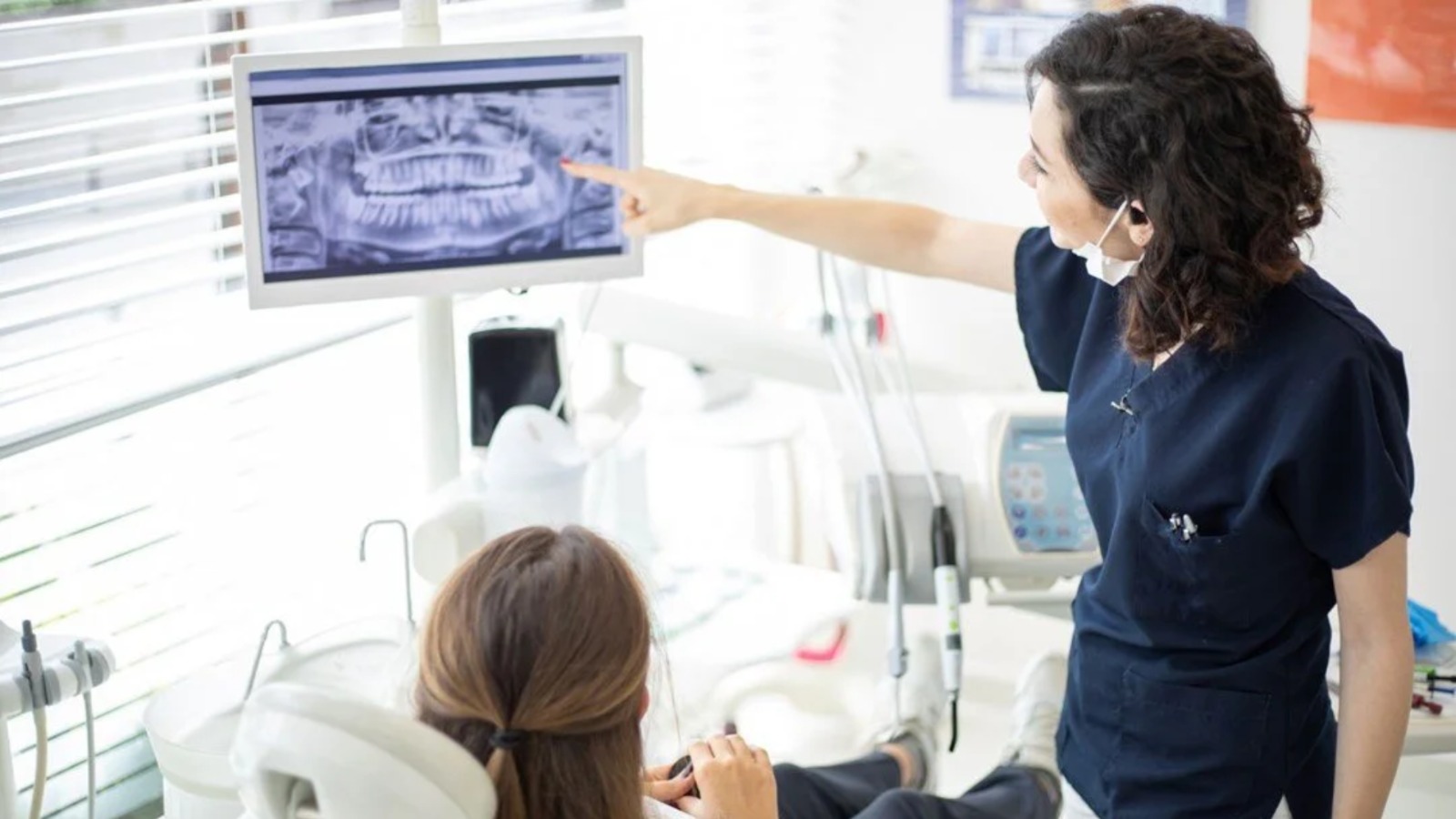
CRAFT32 Dental Clinic uses digital imaging and cone beam CT (CBCT) scans to assess if an apicoectomy is suitable for your case.
Apicoectomy Procedure at CRAFT32 Dental Care
At CRAFT32, we perform apicoectomy under local anesthesia, using microsurgical techniques for precision and faster healing:
Evaluation & Imaging
We start with a comprehensive dental exam and digital imaging to assess the infected tooth root and surrounding bone structure.
Local Anesthesia
The area is numbed using local anesthesia to ensure the procedure is completely painless.
Accessing the Root
A small incision is made in the gum tissue near the affected tooth to expose the root tip and the surrounding bone.
Removal of Infected Tissue
The infected tissue and the tip of the root are carefully removed.
Root-End Sealing
The end of the root canal is cleaned and sealed with a biocompatible material (typically MTA – mineral trioxide aggregate) to prevent further infection.
Closure
The surgical site is sutured, and healing begins almost immediately. Bone naturally regenerates around the treated root over the following months.
 Advanced Technology for Surgical Precision
At CRAFT32 Dental Clinic, we leverage cutting-edge technology for apicoectomy procedures:
- Dental Microscope for precise visualization
- Microsurgical Instruments for minimal trauma
- Digital X-rays & CBCT Imaging
- Biocompatible Root-End Fillings
- Laser-Assisted Healing (optional)
This ensures that the treatment is minimally invasive, highly accurate, and yields fast recovery.
 Benefits of Apicoectomy
An apicoectomy provides a reliable solution for saving teeth that might otherwise be extracted. Key benefits include:
 Preserves Your Natural Tooth
Stops Persistent Infections
Minimally Invasive with Local Anesthesia
Less Disruption to Existing Restorations
Quick Recovery Time
Long-Term Success with Proper Aftercare
This microsurgery is a conservative and patient-friendly alternative to tooth extraction and replacement procedures.
Is the Procedure Painful?
Not at all. Apicoectomy is done under local anesthesia, making it completely pain-free during the procedure. Some patients experience minor swelling or tenderness post-surgery, which resolves in a few days with medication and care.
Post-Operative Care & Recovery
Post-surgical care is crucial for proper healing. Our team at CRAFT32 Dental Care will guide you through every step. Here’s what to expect:
- Use cold compresses to reduce swelling during the first 24 hours
- Take prescribed medications for pain relief and infection control
- Avoid chewing hard or crunchy foods on the affected side for a few days
- Follow oral hygiene instructions carefully
- Attend your follow-up appointments for suture removal and healing check
Most patients resume normal activities within 24 to 48 hours.
What Happens If Apicoectomy is Not Done?
Delaying or avoiding treatment can result in:
- Spread of infection to surrounding teeth and bone
- Loss of supporting bone structure
- Tooth becoming non-restorable and requiring extraction
- Need for more complex, costly treatments later (implants, bridges)
Hence, timely intervention is vital for saving the tooth and maintaining oral health.
Why Choose CRAFT32 Dental Care for Apicoectomy in Baner, Pune?
CRAFT32, led by Dr. Sushila Malik, is one of Baner’s most trusted dental clinics for complex endodontic procedures, including apicoectomy. Here’s what sets us apart:
 Specialized Endodontic Care
Microsurgical Expertise
State-of-the-art Technology
Sterile Environment & Safety Protocols
Personalized Treatment & Aftercare
We treat every patient with compassion, listen to your concerns, and deliver exceptional clinical results in a calming, comfortable setting.
Frequently Asked Questions (FAQs)
Q1: How is an apicoectomy different from a root canal?
A root canal treats the inside of the tooth’s canal, while an apicoectomy treats the root tip and surrounding infected bone when root canal treatment fails.
Q2: Is apicoectomy a permanent solution?
Yes. When performed correctly, apicoectomy has a high success rate and can preserve your tooth for many years, even decades.
Q3: How long does an apicoectomy procedure take?
Typically, the procedure lasts 45 to 90 minutes, depending on the location and complexity of the tooth.
Q4: Can I eat after the surgery?
Yes, but we recommend soft foods and avoiding the surgical side for the first 24–48 hours to allow proper healing.
Q5: What if my tooth still hurts after an apicoectomy?
Mild discomfort is normal for a few days. Persistent pain should be evaluated by your dentist to rule out complications or additional issues.
Dr. Sushila Malik
Changing the face of dentistry in Baner, Dr. Sushila Malik presents her dream CRAFT32, a state of art dental clinic in baner Pune.
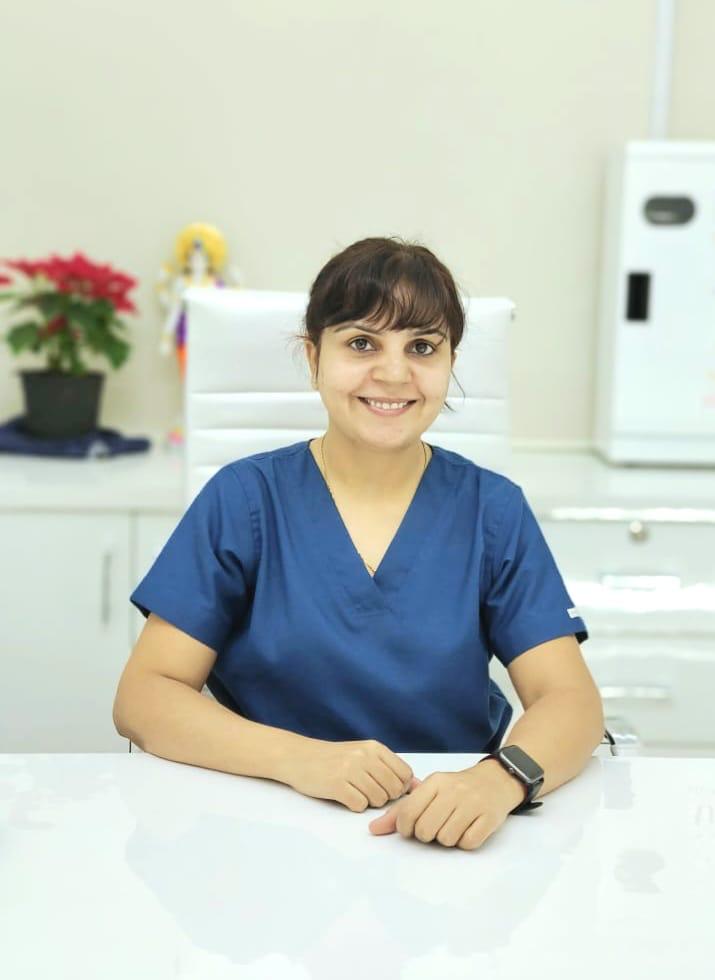
Dr Sushila Malik is specialist Endodontist (Gold medalist) and founder of CRAFT32 DENTAL CARE, Pune with around two decades of service behind the smiles of her patients.
She also has national and international presentations and publications to her credit. She researched extensively on root canal morphology of premolar tooth and published in renowned international journal. She also wrote and published book on interacanal medicaments. Dr. Sushila Malik succeasfully conducted many house full endodontic and rubberdam courses for dentist to teach them the latest advancements in dentistry.
She is also consultants to some of the hospitals and clinics.
A gifted clinician, she has earned the respect of her patients and colleagues with her broad spectrum of clinical skill and is notably popular for her excellent chairside manner and empathy for her patients. She keep herself abrest with the latest dental technologies. She believes in preventive regimens and meticulous recalls and diet analysis to prevent any extensive procedures for the little ones.
We are committed to creating a calm, pleasant atmosphere for the patients, while maintaining the strictest hygiene standards. Everything we do is aimed at making you feel comfortable, while we take care of your oral Healthcare.
We provide all dental services under one roof, we take health of your teeth seriously and we are committed to providing the most outstanding care in Pune.