What is a dental crown?
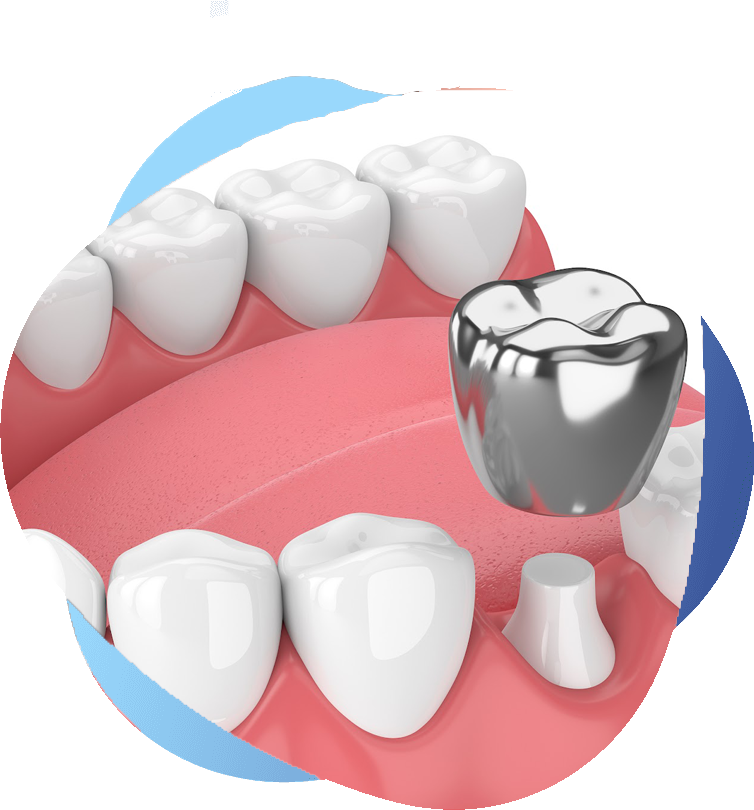
A dental crown is a tooth-shaped cap. Dentists use crowns to restore weak, broken or decayed teeth.
A crown fits over your entire tooth, like a snug hat. To ensure a proper fit, a dentist will need to remove a small amount of enamel before bonding your new crown in place.
Dental technicians craft crowns from a variety of materials, including resin, metal and porcelain.
A dental crown isa covering for an existing tooth. It can improve the way a decayed or broken tooth looks and make it stronger and longer lasting. Crowns are usually made from porcelain, ceramic, glass or metal.
When would you need a dental crown?
Crowns serve several purposes. You may need a dental crown to:
- Strengthen a weak tooth.
- Protect and support a cracked tooth.
- Restore a worn-down or broken tooth.
- Hold a dental bridge in place.
- Cover a severely stained or discolored tooth.
- Cover a root canal-treated tooth.
- Cover a dental implant.
Types of dental crowns
There are many types of dental crowns. The kind that’s right for you depends on your personal preferences and unique oral health needs.
Metal crowns
Dental technicians use several metals to make dental crowns, including gold, palladium, nickel and chromium. Metal crowns rarely chip or break, last the longest in terms of wear and only require a small amount of enamel removal. They can also withstand biting and chewing forces.
The metallic color is the main drawback of this type of crown. Metal crowns are a good choice for out-of-sight molars.
Porcelain-fused-to-metal (PFM) crowns
Porcelain-fused-to-metal (PFM) crowns combine the durability of metal and the natural look of porcelain. Dentists can match these crowns to the shade of your own teeth.
Despite their strength, PFM crowns have some drawbacks. For example, the porcelain coating may chip off over time, exposing the metal underneath. In addition, PFM crowns may gradually wear down the enamel on your opposing teeth (the teeth that touch your crown when you close your mouth).
PFM crowns last almost as long as metal crowns. They can restore both front and back teeth.
Pressed ceramic crowns
A pressed ceramic crown has a hard inner core. It’s similar to a PFM, but the core is ceramic instead of metal. To make this inner core, a technician melts and presses ceramic in an oven at a very high temperature. Next, they add multiple layers of porcelain. Like all-porcelain crowns, pressed ceramic crowns mimic the translucency of natural tooth enamel.
Pressed ceramic crowns have the same drawbacks as PFM crowns. The layers of ceramic can chip away over time. Dentists use pressed ceramic crowns on front and back teeth.
All-ceramic or porcelain crowns
All-ceramic or porcelain crowns mimic the appearance of tooth enamel more than any other crown type. They’re also a good choice if you have metal allergies.
Lab technicians use many different materials to make ceramic crowns, but one of the most popular is zirconium dioxide. Zirconia crowns are extremely durable and can withstand heavier forces than other types of ceramic crowns. They’re also gentle on your opposing teeth, resulting in less enamel wear.
Same-day dental crowns
Many dentists use CAD/CAM (computer-aided design and manufacturing) technology to create crowns in their office while you wait. This software allows your dentist to take digital dental impressions of your teeth, and then use those impressions to design a custom crown. Once your dentist designs your crown, they’ll send the image files to an on-site milling machine. The machine will craft your new crown from a solid block of ceramic.
The main advantage of CAD/CAM technology is that you can get a dental crown in just one office visit. However, same-day crowns aren’t for everyone. Ask your dentist if you’re a candidate.
All-resin crowns
Dental crowns made out of resin are generally less expensive than other types of crowns. But they’re fragile and more likely to break compared to porcelain-fused-to-metal (PFM) crowns.
Dentists often use resin to make temporary crowns. They last three to five years on average.
Dr. Sushila Malik
Changing the face of dentistry in Baner, Dr. Sushila Malik presents her dream CRAFT32, a state of art dental clinic in baner Pune.
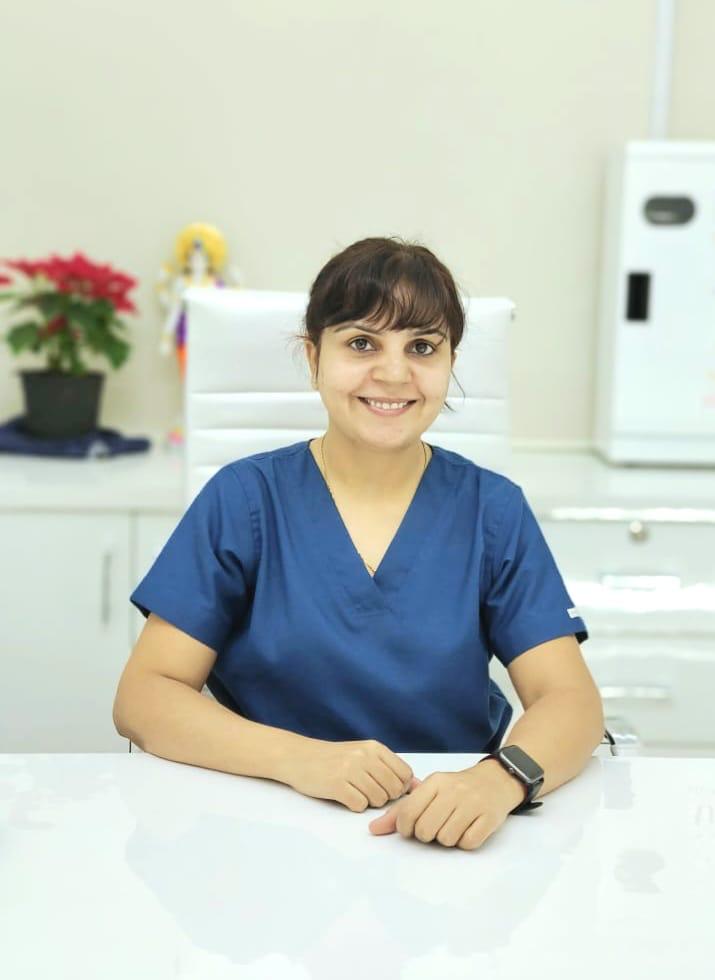
Dr Sushila Malik is specialist Endodontist (Gold medalist) and founder of CRAFT32 DENTAL CARE, Pune with around two decades of service behind the smiles of her patients.
She also has national and international presentations and publications to her credit. She researched extensively on root canal morphology of premolar tooth and published in renowned international journal. She also wrote and published book on interacanal medicaments. Dr. Sushila Malik succeasfully conducted many house full endodontic and rubberdam courses for dentist to teach them the latest advancements in dentistry.
She is also consultants to some of the hospitals and clinics.
A gifted clinician, she has earned the respect of her patients and colleagues with her broad spectrum of clinical skill and is notably popular for her excellent chairside manner and empathy for her patients. She keep herself abrest with the latest dental technologies. She believes in preventive regimens and meticulous recalls and diet analysis to prevent any extensive procedures for the little ones.
We are committed to creating a calm, pleasant atmosphere for the patients, while maintaining the strictest hygiene standards. Everything we do is aimed at making you feel comfortable, while we take care of your oral Healthcare.
We provide all dental services under one roof, we take health of your teeth seriously and we are committed to providing the most outstanding care in Pune.