Root Canal Treatment in Baner, Pune – CRAFT32 Dental Care
What is a Pulpectomy?
A pulpectomy is a pediatric root canal treatment done on primary (baby) teeth when the entire pulp tissue — both in the crown and the roots — is infected or necrotic (dead). Unlike pulpotomy, which removes only the top (coronal) portion of the pulp, pulpectomy involves complete removal of the infected pulp from both the pulp chamber and root canals.
After thorough cleaning and disinfection, the canals are filled with a resorbable material (suitable for baby teeth) and the tooth is restored, often with a dental crown.
When Does a Child Need a Pulpectomy?
Pulpectomy is recommended when:
- There’s deep decay reaching the root canals
- A baby tooth is abscessed or severely infected
- There’s persistent toothache or sensitivity to hot/cold
- Swelling or pus formation is seen near a tooth
- A baby tooth has traumatic pulp exposure
- The pulp is dead or irreversibly inflamed
If left untreated, the infection may spread to adjacent teeth or affect the permanent tooth developing underneath. Pulpectomy saves the tooth and maintains the normal structure and function of your child’s mouth.
When Does a Child Need a Pulpectomy?
Pulpectomy is recommended when:
- There’s deep decay reaching the root canals
- A baby tooth is abscessed or severely infected
- There’s persistent toothache or sensitivity to hot/cold
- Swelling or pus formation is seen near a tooth
- A baby tooth has traumatic pulp exposure
- The pulp is dead or irreversibly inflamed
If left untreated, the infection may spread to adjacent teeth or affect the permanent tooth developing underneath. Pulpectomy saves the tooth and maintains the normal structure and function of your child’s mouth.
The Pulpectomy Procedure at CRAFT32 Dental Care
At CRAFT32, Dr. Sushila Malik ensures every step of the pulpectomy is performed in a calm, pain-free, and child-friendly manner. Here’s what to expect:
- Diagnosis and X-ray
We begin with a gentle clinical evaluation and a digital X-ray to assess the extent of decay, pulp condition, and root structure.
- Anesthesia and Comfort
Local anesthesia is administered to numb the area, ensuring a painless experience. For anxious children, we may offer mild sedation and distraction techniques.
- Decay and Pulp Removal
All decayed tissue is removed, and access is made to reach the infected pulp. The entire pulp from the crown and root canals is thoroughly cleaned.
- Disinfection
The canals are disinfected using safe, antibacterial solutions to eliminate all infection-causing bacteria.
- Canal Filling
The empty canals are filled with a resorbable filling material like zinc oxide-eugenol paste or iodoform paste that naturally dissolves as the baby tooth sheds.
- Tooth Restoration
The treated tooth is restored with a stainless steel or zirconia crown for long-term protection and strength.
The procedure usually takes 30–60 minutes and is completed in a single visit or two visits depending on infection severity.
Why Save a Baby Tooth?
You might wonder — why not just remove the infected tooth? Here’s why saving baby teeth matters:
- Guides permanent teeth into the correct position
- Helps in proper chewing, speech, and jaw development
- Prevents misalignment and orthodontic problems
- Maintains facial structure and aesthetics
- Avoids premature space loss requiring space maintainers
Pulpectomy preserves the natural tooth until it’s time for it to fall out naturally, promoting healthy dental development.
Pulpectomy vs. Pulpotomy: What’s the Difference?
| Feature | Pulpectomy | Pulpotomy |
| Pulp Involvement | Entire pulp (crown + roots) | Only coronal pulp |
| Indication | Deep infection or dead pulp | Mild pulp inflammation |
| Tooth Condition | Severe decay, abscess | Moderately infected |
| Procedure Type | Pediatric root canal | Conservative pulp therapy |
At CRAFT32, we determine the best option through digital diagnostics and a thorough clinical exam.
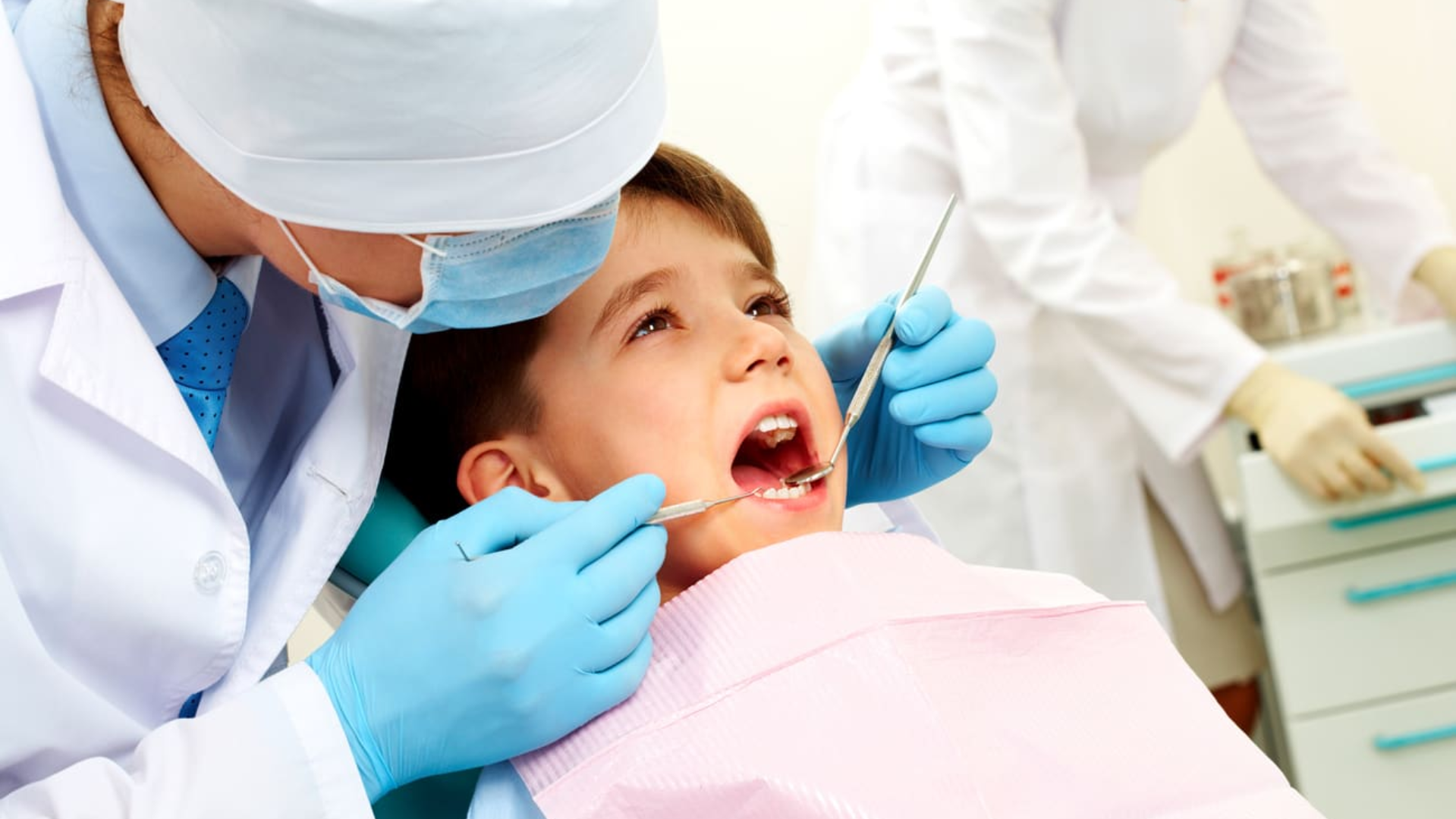
What is Root Canal Treatment ?
A root canal is a dental procedure aimed at treating infections or inflammation in the pulp—the soft tissue inside the tooth that contains nerves and blood vessels. When this pulp becomes infected due to decay, cracks, trauma, or repeated dental work, it can cause significant pain and may lead to tooth loss if not addressed.
The purpose of a root canal is to remove the infected pulp, clean and disinfect the canals, and seal them to prevent future infection. Afterward, the tooth is typically restored with a crown or filling to bring back its strength and function.
Common Signs You Might Need a Root Canal
- Persistent or throbbing toothache
- Lingering sensitivity to hot or cold
- Swollen or tender gums
- Tooth darkening or discoloration
- Presence of a pimple-like bump (abscess) on the gums
- Pain while chewing or touching the tooth
- Cracked or chipped tooth
If you’re experiencing any of these symptoms, schedule a consultation with Dr. Sushila Malik at CRAFT32 for an early diagnosis. Timely treatment can save your tooth and prevent complications.
Root Canal Procedure at CRAFT32 – Step-by-Step
At CRAFT32 Dental Care, we follow a thorough and patient-centered process for every root canal procedure:
- Examination & Imaging
Digital X-rays and a detailed evaluation help us determine the extent of the infection. - Local Anesthesia
Advanced numbing techniques ensure the treatment is entirely pain-free. - Access Creation
A small opening is made in the tooth crown to reach the infected pulp. - Pulp Removal
The infected tissue is carefully removed from the root canals. - Cleaning & Shaping
The canals are cleaned, disinfected, and shaped for the filling. - Filling & Sealing
We fill the canals with a biocompatible material (gutta-percha) and seal the tooth. - Tooth Restoration
A dental crown is placed to restore function and protect the treated tooth.
Depending on the severity, the procedure is typically completed in one or two visits.
Why Choose Root Canal Treatment at CRAFT32?
- Expert Endodontic Care by Dr. Sushila Malik
- Precision Treatment with Microscope-Assisted Technology
- Advanced Digital X-rays & Rotary Tools
- Pain-Free Procedures with Modern Anesthetics
- Hygienic & Sterile Environment
- High Success Rates and Long-Term Results
Post-Treatment Care: What to Expect
Recovery after a root canal is usually smooth with minimal discomfort:
- Mild soreness is common and manageable with prescribed pain medication.
- Avoid chewing on the treated side until the crown is placed.
- Maintain good oral hygiene with regular brushing and flossing.
- Attend follow-up appointments to ensure complete healing and crown fitting.
With proper care, a root canal-treated tooth can last a lifetime.
Why CRAFT32 Dental Care is Your Best Choice in Baner
CRAFT32 Dental Care in Baner, Pune, offers a perfect blend of modern infrastructure, skilled dental expertise, and a comforting environment. Under the guidance of Dr. Sushila Malik, we provide personalized dental care tailored to your individual needs. Whether it’s a routine exam or an advanced root canal procedure, our goal is to ensure your visit is pleasant and your smile, healthy.
Frequently Asked Questions (FAQs)
Q1. Is pulpectomy painful for children?
No. The procedure is done under local anesthesia, and children are kept relaxed with behavior management and sedation techniques if needed.
Q2. How long will the treated tooth last?
The treated tooth can last until it naturally falls out, maintaining space and function during early development.
Q3. Will my child need a crown after pulpectomy?
Yes. A crown protects the tooth from fracture and reinfection, especially on back teeth where chewing pressure is high.
Q4. Is the filling material safe for kids?
Absolutely. We use biocompatible and resorbable materials that are safe, effective, and dissolve as the baby tooth sheds.
Q5. What if the tooth is too damaged to save?
In such cases, tooth extraction followed by a space maintainer may be considered to avoid orthodontic issues later.
Dr. Sushila Malik
Changing the face of dentistry in Baner, Dr. Sushila Malik presents her dream CRAFT32, a state of art dental clinic in baner Pune.
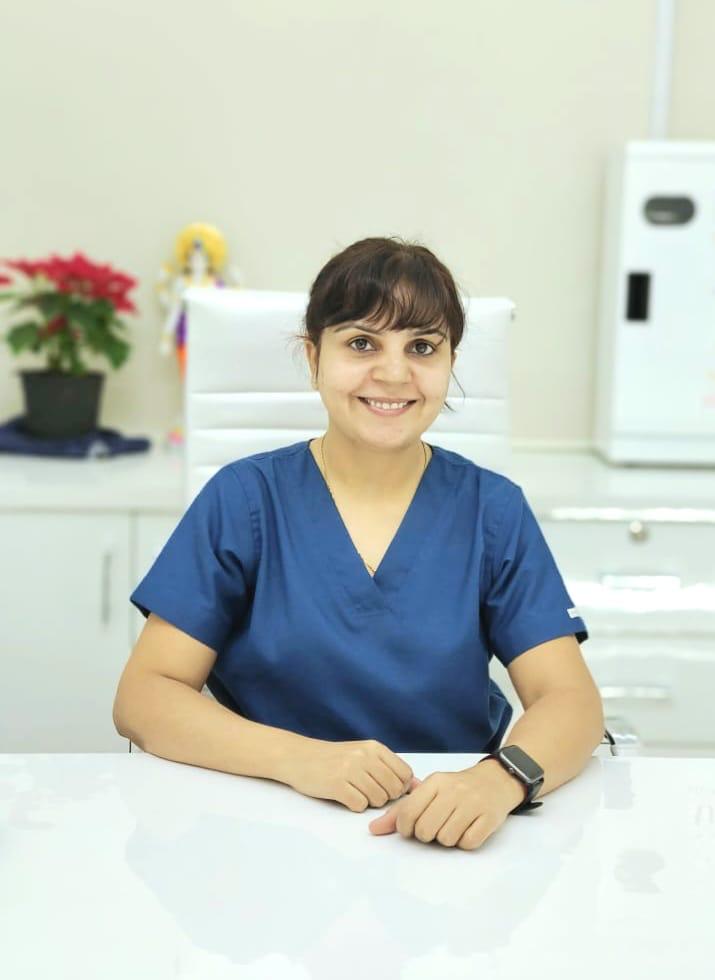
Dr Sushila Malik is specialist Endodontist (Gold medalist) and founder of CRAFT32 DENTAL CARE, Pune with around two decades of service behind the smiles of her patients.
She also has national and international presentations and publications to her credit. She researched extensively on root canal morphology of premolar tooth and published in renowned international journal. She also wrote and published book on interacanal medicaments. Dr. Sushila Malik succeasfully conducted many house full endodontic and rubberdam courses for dentist to teach them the latest advancements in dentistry.
She is also consultants to some of the hospitals and clinics.
A gifted clinician, she has earned the respect of her patients and colleagues with her broad spectrum of clinical skill and is notably popular for her excellent chairside manner and empathy for her patients. She keep herself abrest with the latest dental technologies. She believes in preventive regimens and meticulous recalls and diet analysis to prevent any extensive procedures for the little ones.
We are committed to creating a calm, pleasant atmosphere for the patients, while maintaining the strictest hygiene standards. Everything we do is aimed at making you feel comfortable, while we take care of your oral Healthcare.
We provide all dental services under one roof, we take health of your teeth seriously and we are committed to providing the most outstanding care in Pune.