The Daily Humiliation of Dentures Slipping While You Speak
It happens in a split second. You’re in the middle of an important conversation, sharing a laugh with friends, or speaking during a meeting when suddenly your dentures shift. Your words become unclear. You feel the denture move. A wave of embarrassment hits instantly.
For many denture wearers, this is not an occasional inconvenience—it is a daily source of anxiety. Every meal, conversation, and social gathering can feel like a situation that needs to be carefully managed. The constant fear that dentures might slip, click, or fall out can gradually affect confidence, communication, and quality of life.
While dentures have helped millions of people restore their smiles, poorly fitting dentures can create challenges that go far beyond simple discomfort. Understanding why dentures slip and exploring modern treatment options can help patients regain confidence and enjoy a more secure smile.
When Speaking Becomes a Source of Stress
Meet Anita, a retired school teacher from Pune. After losing several teeth over the years, she began wearing complete dentures. Initially, she was happy to have her smile back. However, as months passed, she noticed that her dentures would occasionally shift while speaking.
At family gatherings, she became hesitant to participate in conversations. She avoided laughing too loudly and often covered her mouth while talking. During video calls with relatives, she worried that her dentures might become loose.
What started as a small inconvenience slowly transformed into a significant source of emotional stress.
This experience is surprisingly common among denture wearers.
Why Do Dentures Slip?
Many patients assume that slipping dentures are simply a normal part of wearing dentures. In reality, dentures should fit comfortably and securely.
Several factors can contribute to denture movement:
Natural Bone Loss
After tooth loss, the jawbone begins to shrink because it no longer receives stimulation from tooth roots. As the bone gradually decreases in volume, dentures lose the foundation they were originally designed to fit.
This is one of the most common reasons dentures become loose over time.
Changes in Gum Shape
The gums and supporting tissues naturally change after tooth extraction. These changes can alter the fit of dentures, causing instability during eating and speaking.
Wear and Tear
Dentures experience daily pressure from chewing and speaking. Over time, they may no longer fit as accurately as when they were first created.
Saliva and Muscle Movement
The tongue, cheeks, and lips constantly move during speech. If dentures do not fit properly, these natural movements can cause shifting and slipping.
The Emotional Impact of Loose Dentures
The physical inconvenience of slipping dentures is only part of the problem.
Many patients describe a constant fear of social embarrassment. They become cautious when eating in public, avoid speaking in groups, and sometimes withdraw from social situations altogether.
The psychological effects can include:
- Reduced confidence
- Anxiety during conversations
- Fear of public speaking
- Reluctance to smile freely
- Social isolation
A healthy smile plays a major role in self-esteem. When dentures become unpredictable, confidence often suffers.
Everyday Situations That Become Difficult
Eating at Restaurants
Many denture wearers avoid certain foods because they worry that chewing may dislodge their dentures. Crunchy vegetables, apples, nuts, and even some breads can become challenging.
Professional Meetings
Speaking clearly is essential in professional environments. Dentures that shift during presentations or meetings can create unnecessary stress and self-consciousness.
Social Gatherings
Many patients report constantly thinking about their dentures during conversations instead of enjoying the moment.
Family Functions
Simple activities such as laughing, singing, or participating in celebrations can become sources of concern when dentures feel unstable.
The Connection Between Tooth Loss and Facial Appearance
Loose dentures often indicate an underlying issue—ongoing bone loss.
When teeth are missing, the jawbone gradually shrinks. This loss of support can cause:
- Sunken cheeks
- Wrinkles around the mouth
- Thinner lips
- Reduced facial volume
- An older appearance
Many people mistakenly believe these changes are solely caused by aging when, in fact, tooth loss and bone loss play a significant role.
Modern Dentistry Offers Better Solutions
Fortunately, today’s dental treatments provide options that are far more stable and comfortable than traditional removable dentures.
Dental Implants: A Long-Term Solution
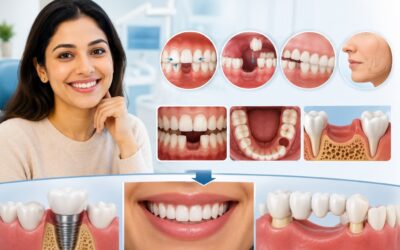
One of the most effective ways to address loose dentures is through Dental Implants.
Unlike traditional dentures, implants are placed directly into the jawbone and function like natural tooth roots. This helps maintain bone health while providing exceptional stability.
Patients often report:
- Improved chewing ability
- Clearer speech
- Greater comfort
- Enhanced confidence
- Better facial support
At Craft32 Dental Care & Implant Center, advanced implant solutions help patients restore both function and appearance while significantly reducing the challenges associated with loose dentures.
Implant-Supported Dentures
For patients who require full-arch tooth replacement, implant-supported dentures can provide dramatically improved stability compared to conventional dentures.
These dentures attach securely to implants, reducing movement while speaking and eating.
Preventing Future Tooth Loss
Saving natural teeth whenever possible remains a priority. Treatments such as Root Canal Treatment, Crowns & Bridges, and preventive dental care can often preserve teeth and help patients avoid future tooth loss.
Regular dental checkups also play an important role in maintaining long-term oral health.
Confidence Begins With a Secure Smile
No one should feel anxious about speaking, smiling, or enjoying a meal because of loose dentures.
Modern dentistry has transformed the way missing teeth are treated. Whether through implant-supported dentures, dental implants, or other restorative solutions, patients today have access to options that offer greater comfort, stability, and confidence than ever before.
If your dentures slip while you speak or eat, it may be time to explore alternatives that better support your lifestyle and oral health.
At Craft32 Dental Care & Implant Center, Dr. Sushila Malik, Gold Medalist Endodontist and founder of the practice, provides patient-focused dental care backed by nearly two decades of clinical experience. The clinic offers comprehensive services including Dental Implants, Root Canal Treatment, Cosmetic Dentistry, Smile Makeovers, Crowns & Bridges, Orthodontics, and Kids Dentistry.
About Dr. Sushila Malik
Dr. Sushila Malik is a specialist Endodontist (Gold Medalist) and founder of Craft32 Dental Care. With around two decades of experience, she has helped countless patients restore healthy, confident smiles. She also has numerous national and international presentations and publications to her credit.
Contact Craft32 Dental Care & Implant Center
Address 1:
Shop No. 2, Anandvan Apartment, Near Vibgyor School Road, Pashan-Sus Road, Baner, Pune – 411045
Phone: +91 70300 12886
Address 2:
Shop No. G4, Ground Floor, VTP Townsquare, Opp. Godrej Hillside 1, Mahalunge, Pune – 411047
Phone: +91 70300 65610
Internal Linking Opportunities
- Dental Implants
- Root Canal Treatment
- Cosmetic Dentistry
- Smile Makeovers
- Crowns & Bridges
- Orthodontics
- Kids Dentistry
- Dental Laminates
- Dental Fluorosis
Suggested Multimedia
Hero Image: An elderly person speaking confidently on one side and the same person struggling with slipping dentures on the other side, showing the emotional impact of unstable dentures. No text on the image.
Search
Categories
- Advanced Dental Treatments 17
- Cosmetic Dentistry 19
- Dental Health 27
- Dental Implants 27
- Dental Treatments 27
- Digital Dentistry 25
- General Dentistry 15
- Laser Dentistry 5
- Oral Care Tips 6
- Orthodontics 8
- Patient Education 8
- Preventive Dentistry 8
- Restorative Dentistry 6
- Smile Correction 10
- Teeth Straightening Treatments 8
- Tooth Replacement 8
- Uncategorized 3
Recent Posts
-
 Smile Designing in Pune: Process, Cost and Before/After Results at Craft32
 -
 Constantly Biting Your Own Cheek Because of Crooked Teeth: The Small Problem That Can Become a Daily Frustration
 -
 Teeth Whitening Kits vs Professional Whitening in Baner: What Really Works Before Diwali?
 -
 Scaling and Polishing in Baner, Pune: Benefits, Procedure, Cost and How Often You Need It
 -
 Dental Crown in Baner, Pune: Types, Cost, Procedure and Lifespan